
State and Local Taxation: What You Need to Know
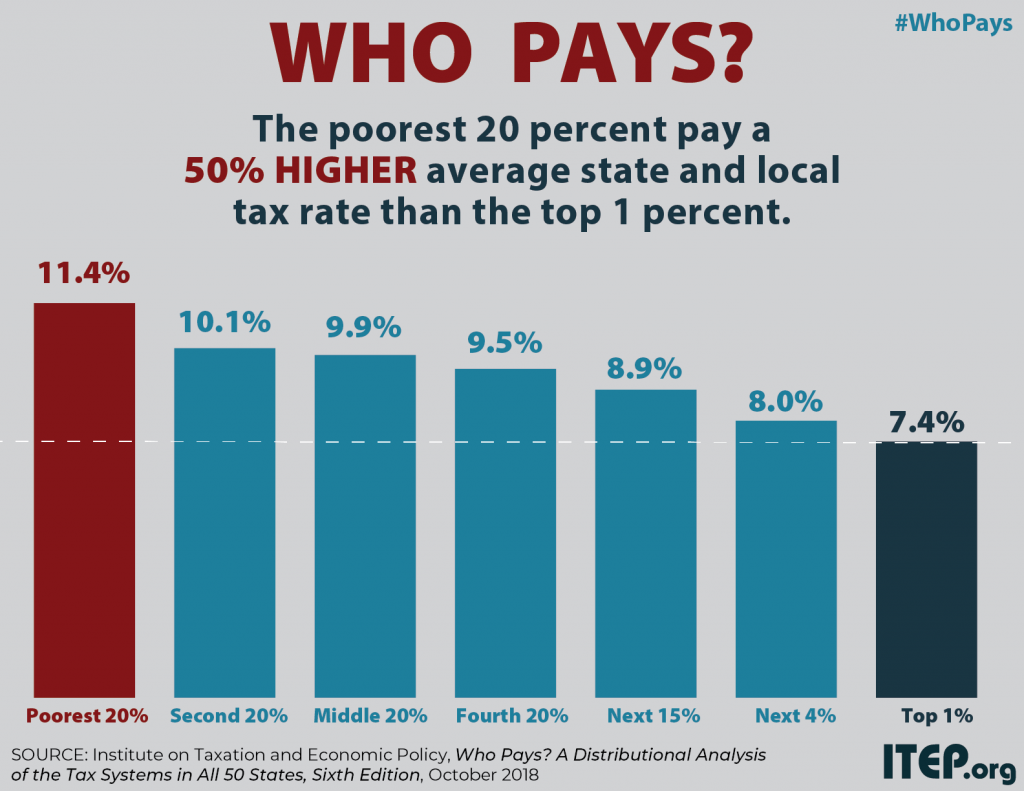
State and local taxation can be a complex and confusing topic for many individuals and small business owners. However, understanding the rules and regulations regarding state and local taxes is essential for compliance and avoiding penalties. Here's a breakdown of what you need to know about state and local taxation.
State Income Tax: The majority of states in the US impose an income tax on residents and non-residents who earn income within the state. The income tax rate and tax bracket vary by state. Some states, such as Florida, Texas, and Washington, do not have a state income tax.
Sales Tax: Sales tax is a consumption tax imposed on the sale of goods and services. The sales tax rate varies by state and local jurisdiction. Some states, such as Oregon, do not have a sales tax, while others, such as California, have a relatively high sales tax rate. Additionally, some states have local sales taxes that are imposed in addition to the state sales tax.
Property Tax: Property tax is a tax imposed on real property, such as land and buildings. Property taxes are typically imposed by local governments and are used to fund local services such as schools and police departments. The property tax rate varies by state and local jurisdiction, and it's based on the assessed value of the property.
Use Tax: Use tax is similar to sales tax, but it's imposed on goods and services purchased out of state and used within the state. The use tax rate is typically the same as the state's sales tax rate. The use tax is intended to level the playing field for in-state businesses that have to charge sales tax and out-of-state businesses that do not.
State Tax Credits and Deductions: Many states offer tax credits and deductions to help offset the cost of taxes for individuals and businesses. These can include credits for education expenses, child and dependent care expenses, and retirement savings contributions. Additionally, some states offer credits for hiring employees, providing health insurance, and investing in energy-efficient property.
State Taxation of Remote Workers: The COVID-19 pandemic has accelerated the trend of remote work, and this has led to an increased number of employees working from home. This can have an impact on state taxation, as employees may be subject to state income tax in the state where they are working remotely, even if they are not a resident of that state. Employers should be aware of the state tax implications of remote work and advise employees accordingly.
State Tax Filing Requirements: Each state has its own tax filing requirements, and it's important to be aware of them. Some states require residents to file state income tax returns even if they do not owe any taxes. Additionally, some states require businesses to file sales tax returns even if they do not owe any taxes.
In conclusion, state and local taxation can be a complex and confusing topic, but understanding the rules and regulations is essential for compliance and avoiding penalties. From state income tax to property tax, it's important to be aware of the different types of taxes imposed by the state and local government, as well as the tax credits and deductions available to individuals and businesses. Additionally, it's important to be aware of the tax implications of remote work and the state tax filing requirements.